The average home addition cost Missouri typically ranges from $100 to $200 per square foot, with standard grade projects often averaging around $101 per square foot. Total expenses depend on the scope of work; for example, complex second story additions can cost between $164,500 and $188,950. Local labor rates and the quality of finishes will ultimately dictate the final price for homeowners.
Finding reliable cost estimates for a Missouri home addition often feels like chasing a moving target. Many homeowners start with a vision for more square footage, only to be met with vague quotes that ignore the realities of local site conditions and structural requirements. At Grindstone Utility Construction, we believe that professional transparency is the foundation of every successful build. Understanding the financial landscape is about ensuring your investment translates into long term value and structural integrity. In this guide, we break down the specifics of Missouri construction costs. We will compare the expenses of 12x12 versus 20x20 footprints, analyze the budget differences between bump outs and second story additions, and highlight the regional factors that impact your bottom line. You will gain the expert insight needed to plan a project that balances sophisticated design with practical fiscal management.
The Realities of Home Addition Cost in Missouri
Estimating the home addition cost Missouri homeowners should expect requires a firm understanding of regional market dynamics versus national trends. While many online calculators cite national averages between $150 and $300 per square foot, these figures often reflect high cost coastal markets. In Missouri, standard residential builds typically range from $100 to $220 per square foot. This significant difference is largely due to lower labor costs and regional material availability; it generally places Missouri construction expenses approximately 10 to 12 percent below the national average.
However, these baseline figures do not account for the high level of craftsmanship and custom finishes often requested in Jamesport and the surrounding Daviess County area. When you choose professional residential building services, the final price point depends heavily on the complexity of the architectural integration and the quality of interior fixtures. High end cabinetry, specialized flooring, or intricate millwork can push Missouri projects closer to national top tier rates, even if the core structural costs remain lower.
Transparency is vital during the initial planning phase. At Grindstone Utility Construction, we advise every client to include a contingency fund of 10 to 20 percent in their total budget. This reserve is not for elective upgrades; rather, it protects the project against unforeseen structural challenges. Older Missouri homes often hide issues within existing foundations or electrical systems that only become apparent once demolition begins. If you are beginning your project, you can contact our expert team to get a more granular assessment of your specific site. Understanding these financial realities early ensures that the building process remains focused on quality rather than cutting corners. To learn more about Grindstone Utility Construction and our approach to local building, consider how site specific variables might impact your initial estimates.
Calculating Costs for Popular Room Sizes: 12x12 vs 20x20
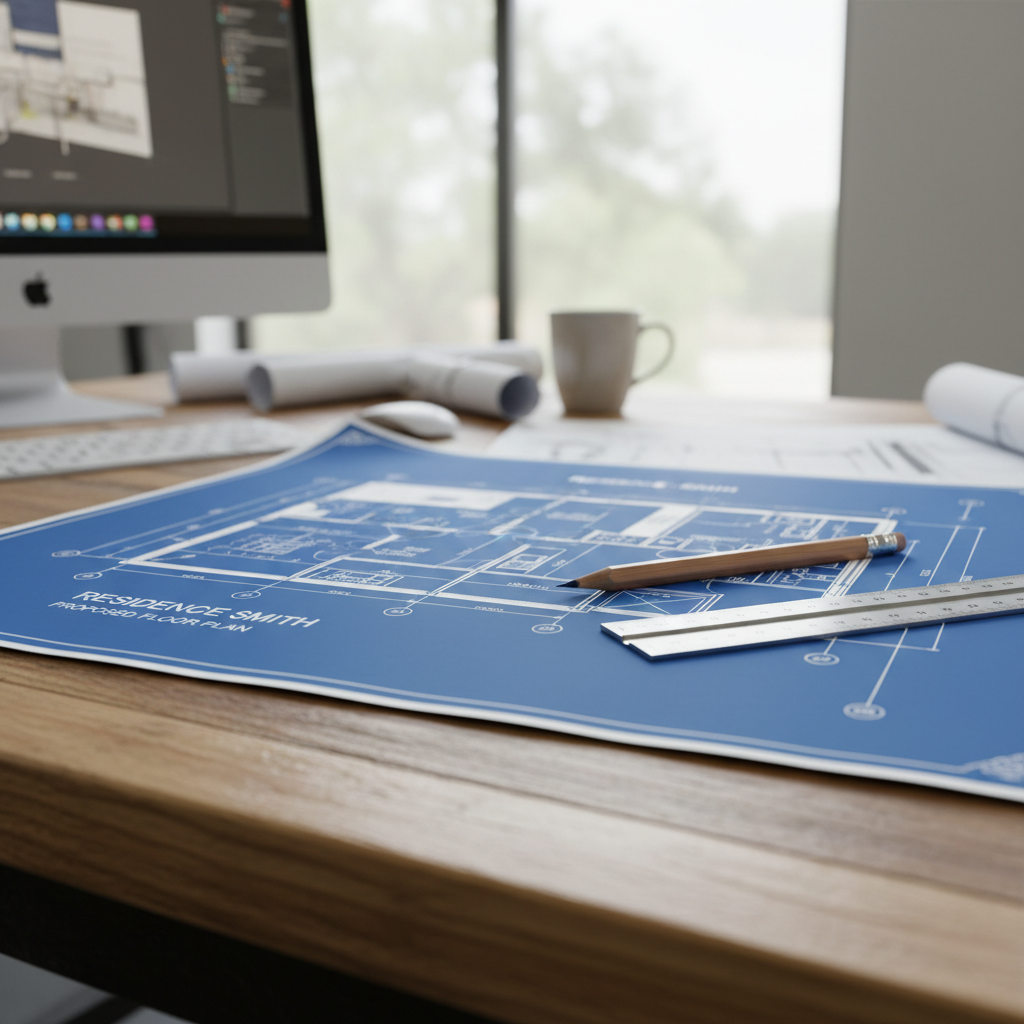
When moving from general square foot estimates to specific blueprints, two sizes frequently emerge in local planning: the 12x12 and the 20x20 footprint. These dimensions serve as useful benchmarks for understanding how scale and utility requirements dictate the final home addition cost Missouri homeowners encounter.
A 12x12 room, totaling 144 square feet, typically ranges from $18,000 to $45,000. This smaller footprint is ideal for a home office, a nursery, or a simple guest bedroom. At the lower end of the spectrum, you are looking at a dry room with standard electrical, HVAC integration, and basic finishes. If this same space is designated as a master bathroom or a laundry suite, the inclusion of plumbing, drainage, and specialized waterproofing pushes the investment toward the higher end of that range.
Room Size | Square Footage | Estimated Cost Range | Common Use Cases |
|---|---|---|---|
12x12 | 144 sq. ft. | $18,000 – $45,000 | Home Office, Small Bedroom, Half-Bath |
20x20 | 400 sq. ft. | $40,000 – $90,000 | Family Room, Master Suite, Kitchen Expansion |
A 20x20 room provides 400 square feet and generally commands between $40,000 and $90,000. While the total price is higher, the cost per square foot often drops slightly due to economies of scale in material procurement and site mobilization. A large family room represents a dry build; however, converting this space into a full kitchen or a primary suite involves significant plumbing and gas line extensions. These wet rooms require specialized labor and high moisture materials, which naturally increase the price point compared to a standard living area. When planning these specific dimensions, you should contact our expert team to determine how your existing utility layout will interact with the new space.
Bump Out Additions vs Full Room Additions: Which Fits Your Budget?
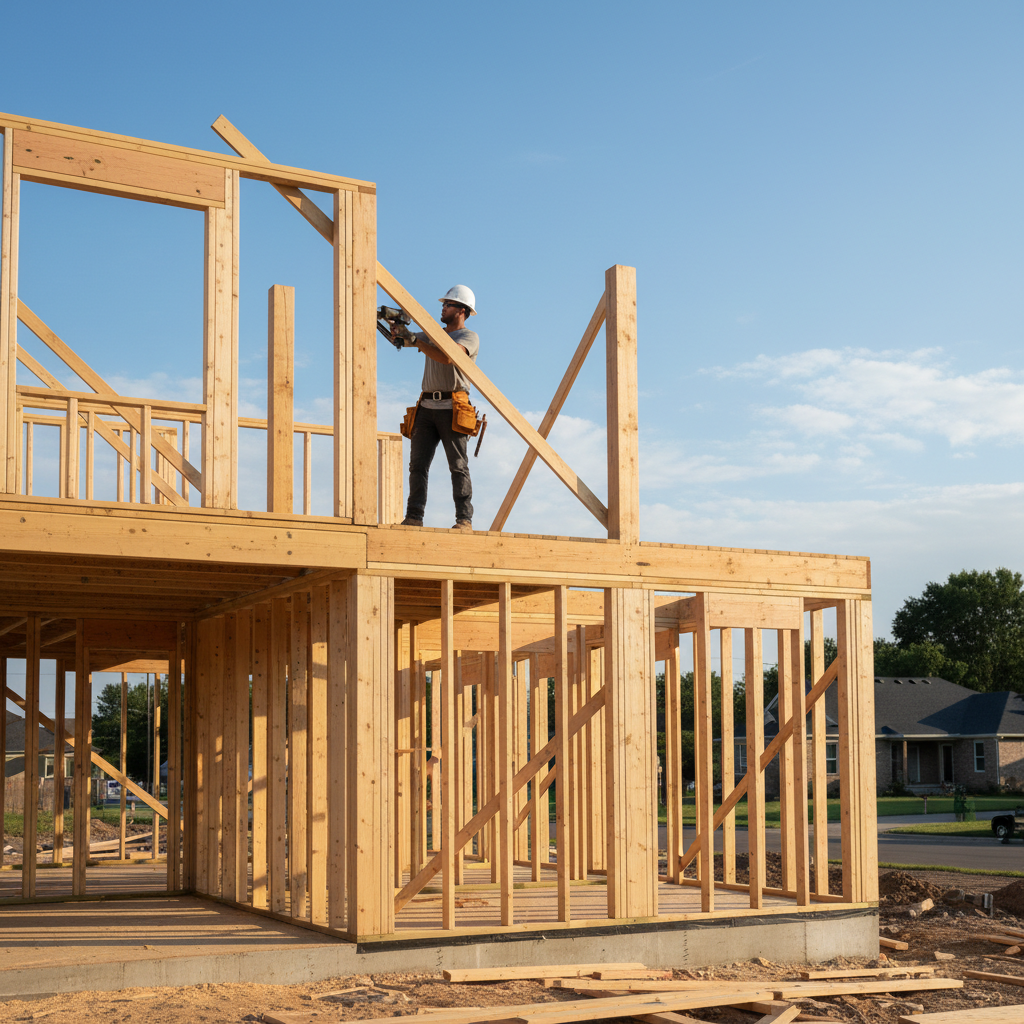
Choosing the right footprint requires balancing immediate space needs against long-term financial goals. A bump-out serves as a micro-addition, typically extending a room by 2 to 10 feet. Because these structures often cantilever off the existing floor joists, they frequently avoid the need for a full new foundation or complex roofline alterations. In Jamesport, a bump-out might cost between $5,000 and $15,000; this makes it an attractive option for homeowners wanting to add a window seat, a double vanity, or a walk-in closet without the commitment of a full-scale build.
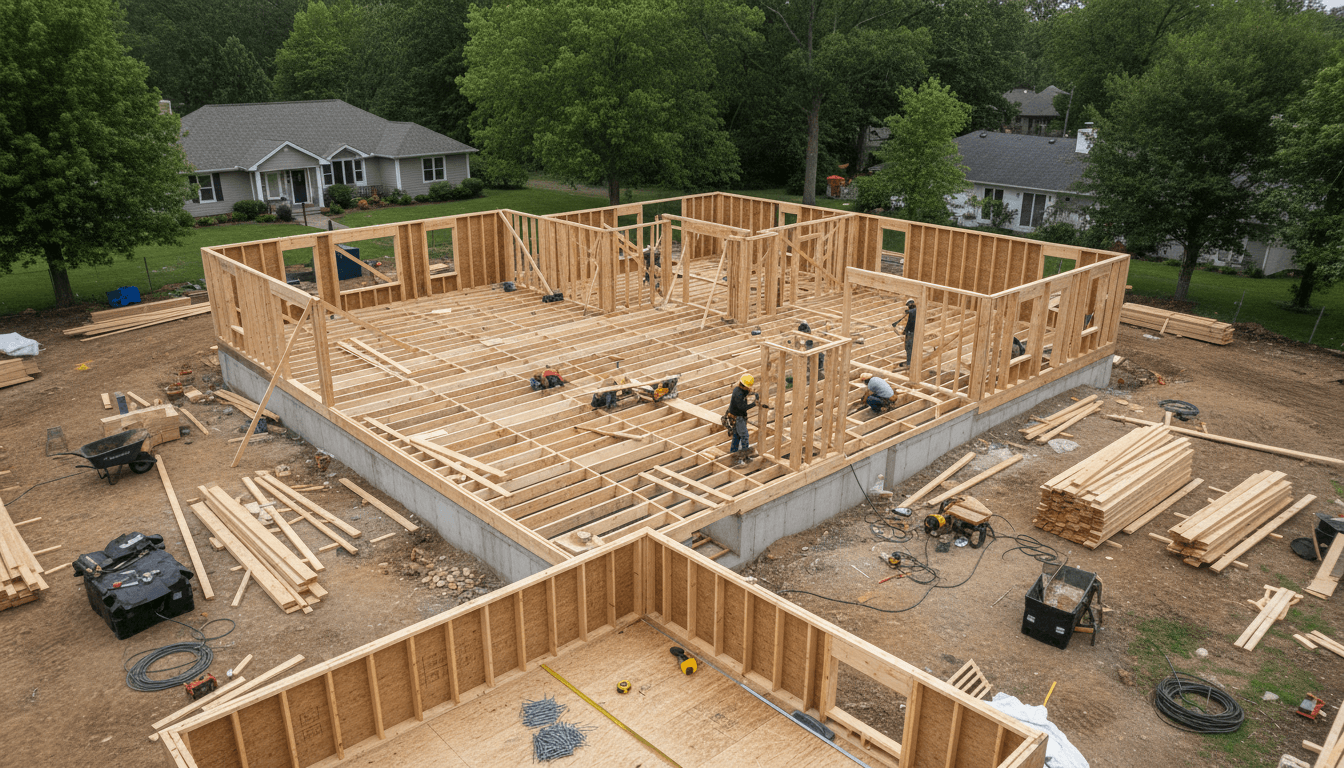
However, there are technical trade-offs to consider. While a bump-out is more affordable upfront, it lacks the substantial square footage that drives significant property value. A full room addition, despite a higher home addition cost Missouri residents must budget for, offers superior structural integrity and a higher return on investment. Full additions involve pouring a dedicated foundation and integrating new rafters with the existing roof, creating a seamless extension that feels like a natural part of the original home rather than an appendage.
Feature | Bump-Out Addition | Full Room Addition |
|---|---|---|
Typical Depth | 2 to 10 Feet | 10+ Feet |
Foundation | Cantilevered or Piers | Full Slab or Crawl Space |
Average Cost | $5,000 to $15,000 | $18,000 to $90,000+ |
Impact | Minor Space Gain | Entire New Living Area |
Grindstone Utility Construction specializes in the complex structural framing required for both methods. Ensuring that a cantilevered bump-out is properly supported or that a full addition is anchored correctly to your home's original frame is critical for preventing settling or moisture issues. When you utilize our professional residential building services, we prioritize these load-bearing details to ensure your new space stands up to the regional climate. Learning more about Grindstone Utility Construction will help you understand our commitment to precision framing and site preparation. If you are debating between these two paths, you can contact our expert team to evaluate your current floor joists and site conditions.
Building Up: The Financials of Second Story Additions
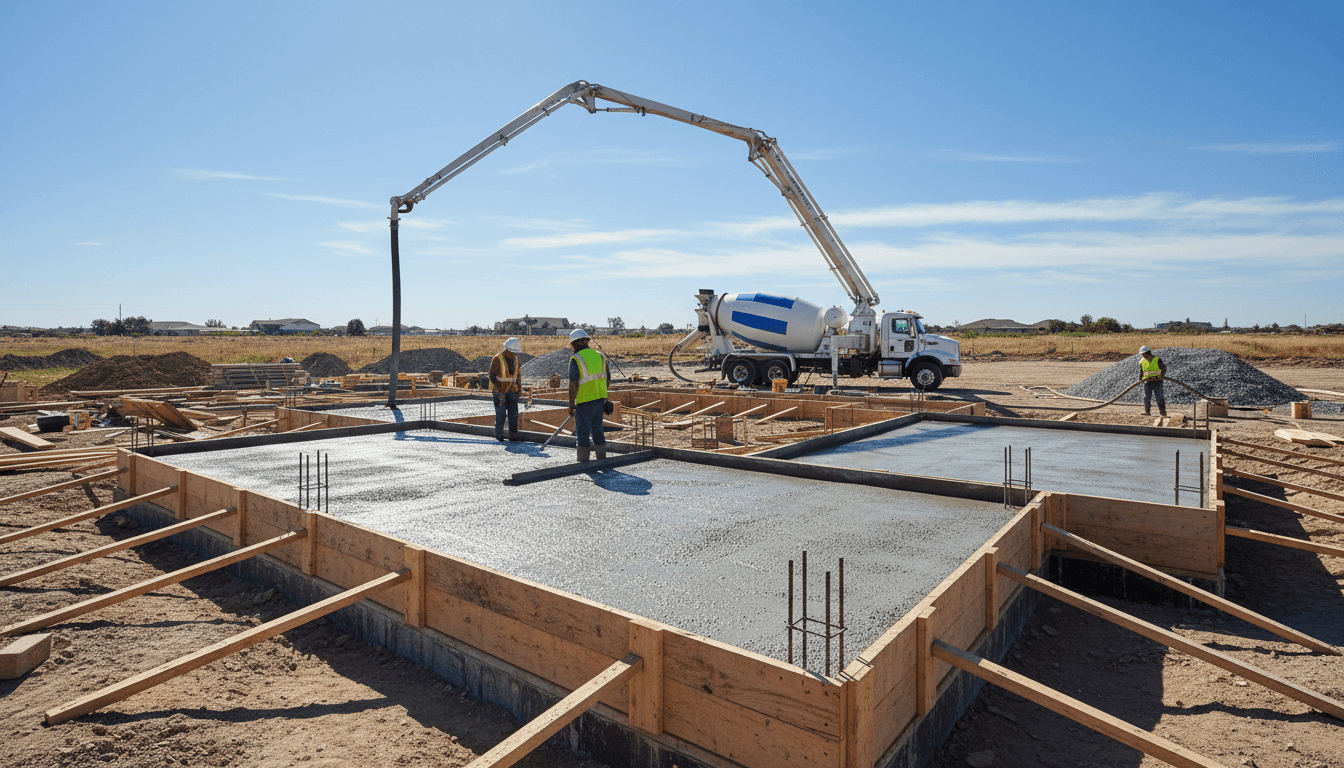
Building vertically is often a strategic choice for properties with limited lot sizes or strict setback requirements in Daviess County. However, the home addition cost Missouri homeowners encounter for a second story is significantly higher than a lateral expansion. Projects of this scale typically start at $150,000 and can easily exceed $250,000. The primary driver of this expense is the structural overhaul of the existing home. A standard first floor foundation was likely never engineered to support the dead load of a second floor and the live load of its occupants.
Our team must often reinforce the original foundation and sister the existing wall studs to ensure they can handle the added weight. Furthermore, Missouri weather presents specific structural demands. We must calculate for significant snow weight on the new roofline and increased wind loads that occur at higher elevations. These engineering requirements are non-negotiable for safety. When you utilize our professional residential building services, we conduct a thorough assessment of your home’s current load-bearing capacity. If you are unsure if your current structure can support a vertical expansion, you should contact our expert team for a site evaluation. Understanding these structural hurdles is a core part of how we operate about Grindstone Utility Construction, ensuring every vertical build is as stable as a ground-level foundation.
Local Missouri Factors That Influence Your Quote
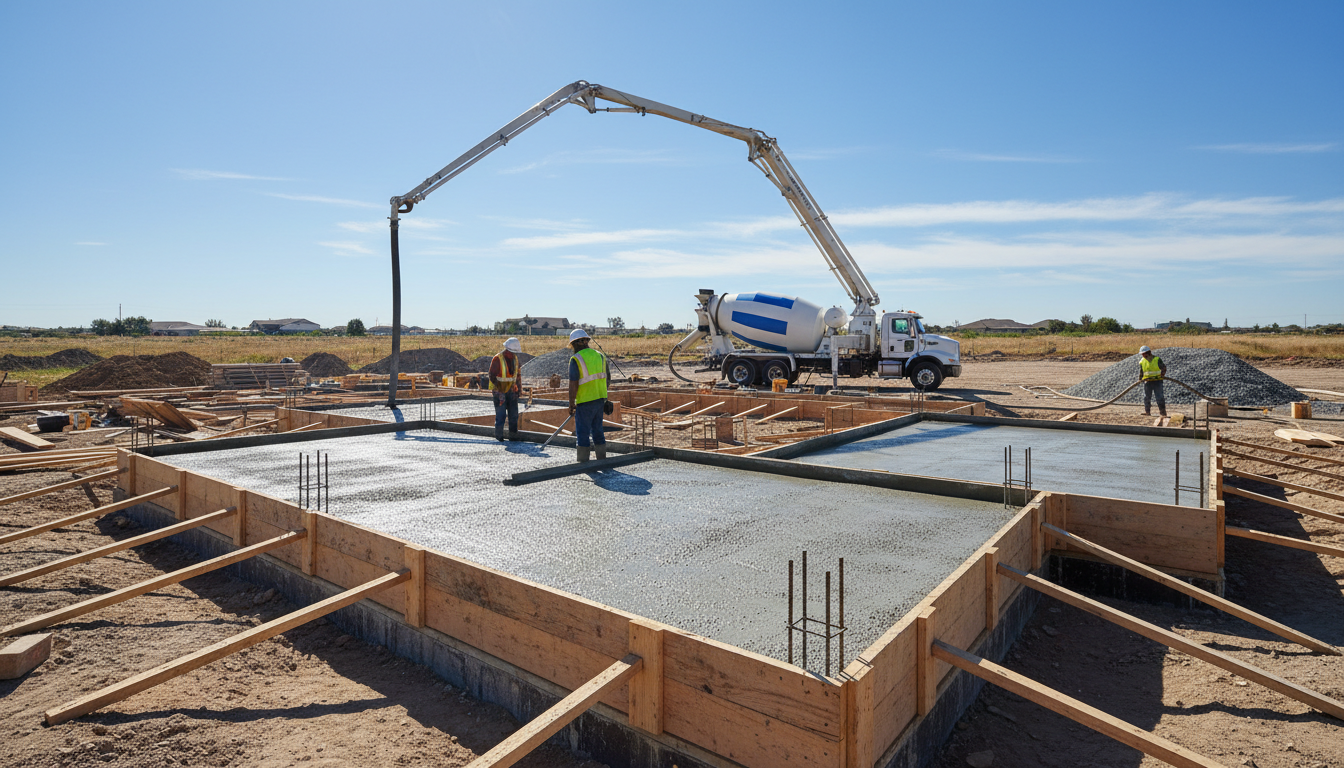
The home addition cost Missouri residents face is often dictated by what lies beneath the surface. In Daviess County, the heavy presence of Missouri clay necessitates precise site preparation. This soil type expands significantly when wet and shrinks during dry summers, which can cause foundation shifting or masonry cracks if the footings are not engineered correctly. We prioritize deep, reinforced foundations and proper grading to manage this expansion, ensuring your new space remains structurally sound despite the local geological challenges.
Utility connections represent another significant variable that fluctuates based on your distance from Jamesport city limits. Projects within town typically involve straightforward sewer and water taps, but rural builds in the surrounding county may require a new septic system or the expansion of an existing lateral field. A new septic installation can add $5,000 to $15,000 to your total budget, a factor that rarely appears in generic online estimates. When you contact our expert team, we evaluate your current utility capacity and site topography to prevent these hidden expenses from surfacing mid-build.
Navigating local permit requirements in Jamesport and Daviess County requires a builder who knows the regional inspectors and zoning laws intimately. While rural permits might seem less complex than those in major metros, they still involve specific setbacks and health department approvals for wastewater management. Our professional residential building services include handling these bureaucratic hurdles to keep the project on schedule. Learning more about Grindstone Utility Construction will help you understand how our local roots allow us to anticipate these regional requirements, providing a more accurate quote from the very first consultation.
Maximizing ROI: Why Custom Construction Beats Generic Additions
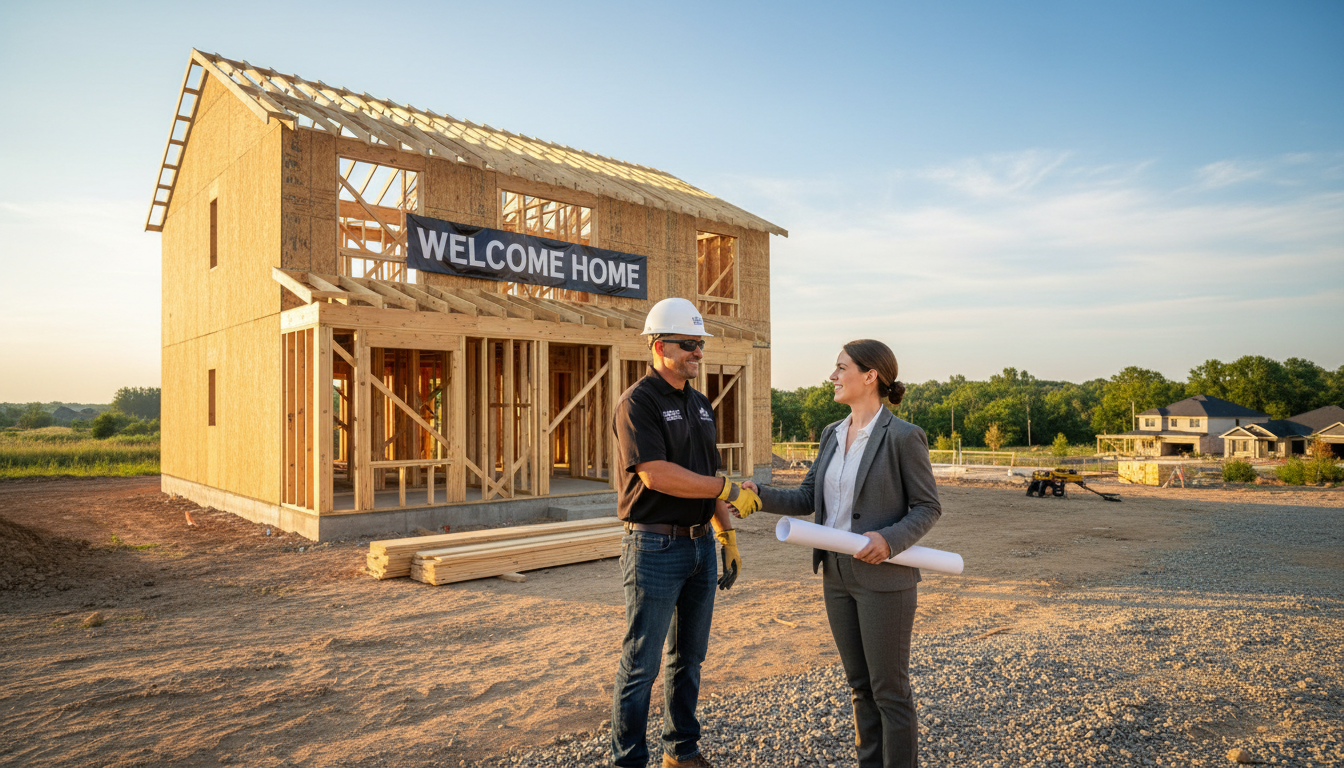
Achieving a high return on investment requires a seamless transition between the original structure and the new space. Generic kit rooms or prefabricated modular units often fail to replicate the specific roof pitches, siding textures, and window profiles found in Jamesport residences. When an addition looks like an afterthought, it can actually detract from the home's marketability. Custom construction allows for exact material matching and structural integration, ensuring the new square footage is valued at the same rate as the primary living area. Our professional residential building services focus on this architectural continuity, which is essential for maintaining the long term equity of your property.
Financial planning should also respect the 30 percent rule of renovations. To keep your project a sound investment, the total home addition cost Missouri homeowners pay should ideally not exceed 30 percent of the property’s current market value. Over-improving a home beyond the ceiling of its neighborhood can lead to diminishing returns during a future sale. A $250,000 home in Daviess County, for instance, should typically stay within a $75,000 budget for a single addition to ensure the expenditure translates into equity. You can contact our expert team to discuss how your specific project scope aligns with regional market values and local appraisal trends.
Custom builds also offer superior climate control and durability compared to generic alternatives. By utilizing site-built framing and high-performance insulation tailored to Missouri’s extreme temperature swings, custom additions become true year-round living spaces. This functional versatility is a primary driver of resale value, as buyers prioritize integrated HVAC systems over temporary seasonal enclosures. For more information about Grindstone Utility Construction and our approach to durable, bespoke builds, consider how custom design eliminates the structural limitations and aesthetic compromises of fixed-dimension kits.