The primary difference in a shell build vs turnkey custom home is the level of completion and project management provided. A shell build includes only the exterior structure and foundation, leaving the interior for the owner to finish; conversely, a turnkey home is a fully completed, move-in ready project handled entirely by the builder.
For many Missouri landowners, the dream of building a custom home often collides with the harsh reality of logistical complexity. You want a high quality build that fits your budget, but you are forced to choose between the perceived savings of a shell build and the managed convenience of a turnkey project. This decision is more than a matter of preference; it dictates your daily involvement in site management and your long term financial risk. At Grindstone Utility Construction, we understand that the foundation of a successful build starts with clarity. In this guide, we define the critical differences between shell and turnkey construction. We will examine the five stages of building a house, analyze the true cost realities for local homeowners, and help you determine if the pursuit of sweat equity is worth the risk of the coordination trap.
Understanding the Foundation: Defining Shell and Turnkey Builds
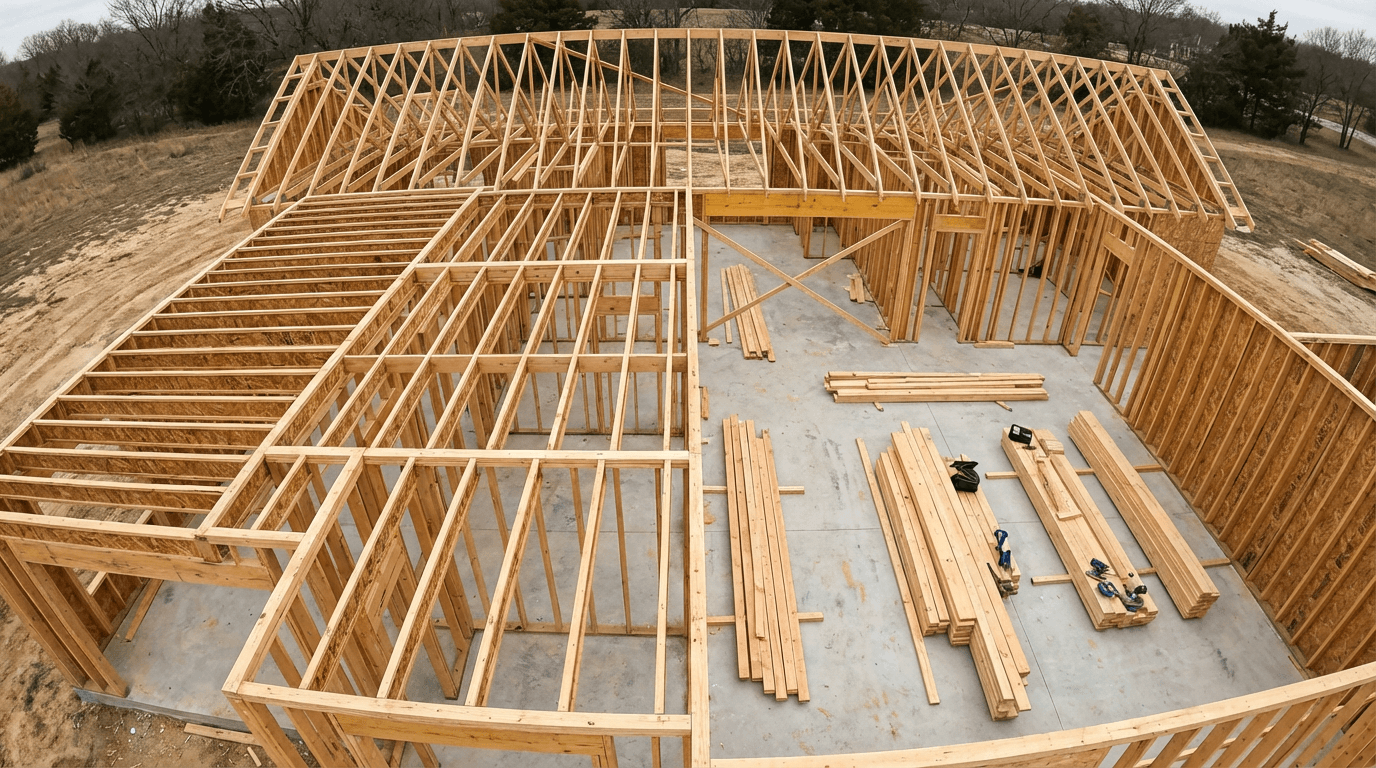
Starting a new project in rural Missouri requires a clear understanding of construction terminology to avoid mid-project delays. A shell build represents the structural skeleton of a residence. It includes the foundation, exterior framing, siding, and roof, essentially creating a weathertight envelope. In contrast, a turnkey custom home is a move-in ready solution where the builder handles the entire lifecycle, from initial permits to the final interior paint.
For homeowners in the Jamesport area, the decision between a shell build vs turnkey custom home often involves balancing financial savings against the value of time. While shell builds appeal to DIY enthusiasts looking to build sweat equity, the time commitment is substantial. Finishing the interior requires coordinating various trades and managing complex installations, a task that many homeowners underestimate when they first look at a structural shell.
At Grindstone Utility Construction, we offer professional residential building services that cater to both approaches. Understanding the nuances of each helps ensure your project stays on track. If you are researching builders in the region, learning more about Grindstone Utility Construction can clarify our role in your project. For specific questions regarding local building codes or site requirements, you are encouraged to contact our team directly.
What is Included in a Shell Build?
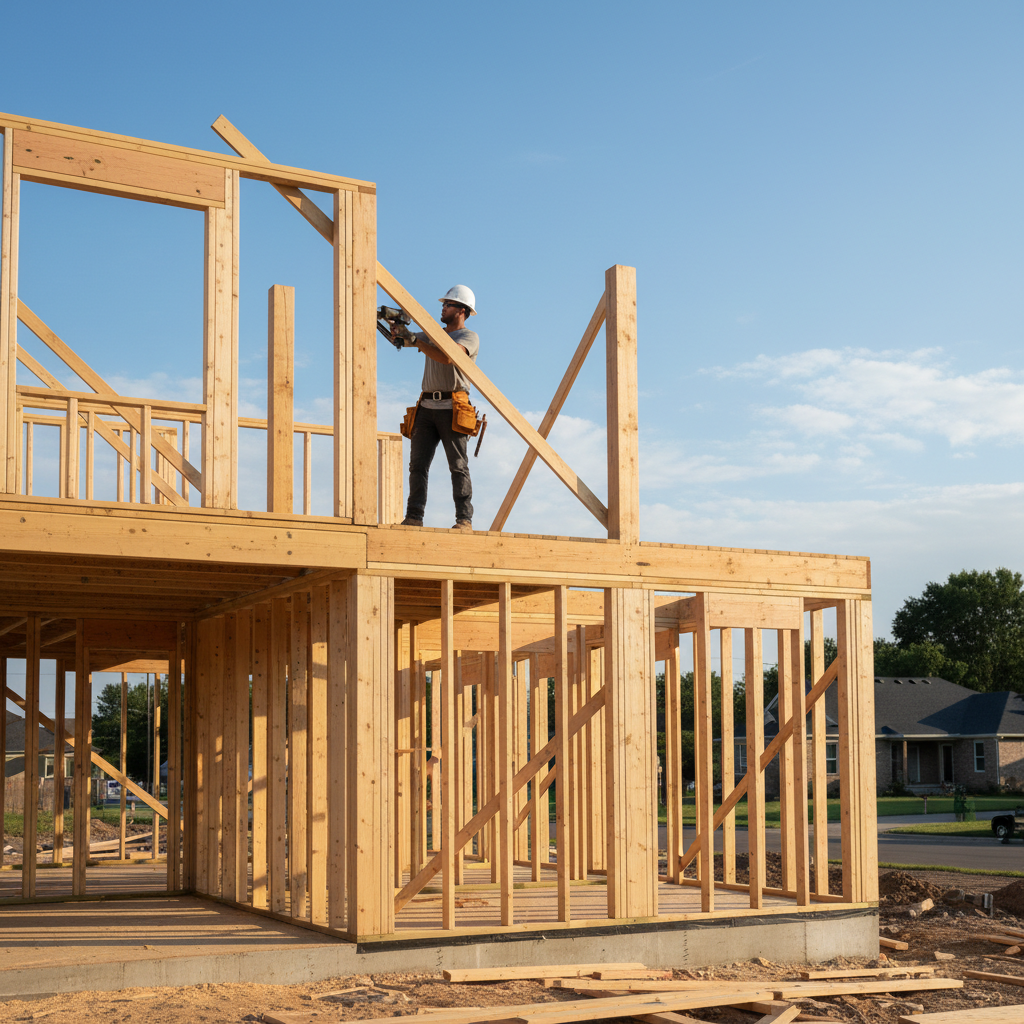
A shell build focuses on the structural integrity and weather resistance of the home. It is often referred to as getting the project "dried-in," meaning the interior is protected from rain and snow so that work can continue inside at a slower pace. At Grindstone Utility Construction, our role in a shell project involves the heavy equipment and specialized framing crews required to establish a sound building envelope.
The following components are typically included in a standard shell build:
Site excavation and poured concrete foundation
Floor joists and subfloor decking
Exterior load-bearing wall framing and sheathing
Roof trusses, decking, and final roofing materials
Installation of all exterior windows and doors
Exterior siding, soffit, and fascia
Distinguishing a shell from a semi-finished build is vital for budgeting. In a shell, the interior remains an open expanse. You will not find interior partition walls for bedrooms or bathrooms; nor will there be any rough-in plumbing, electrical wiring, or HVAC ductwork. This is the stage where the professional residential building services for the structure conclude, and the homeowner takes over the management of interior trades.
While the structure looks like a house from the road, it lacks the systems required for occupancy. Selecting a shell build vs turnkey custom home means you are responsible for everything from the insulation and drywall to the final light switches. Understanding this boundary helps you plan for the specific trades you will need to hire or the DIY tasks you will perform once our crews leave the site.
The Turnkey Advantage: What to Expect During Custom Home Construction
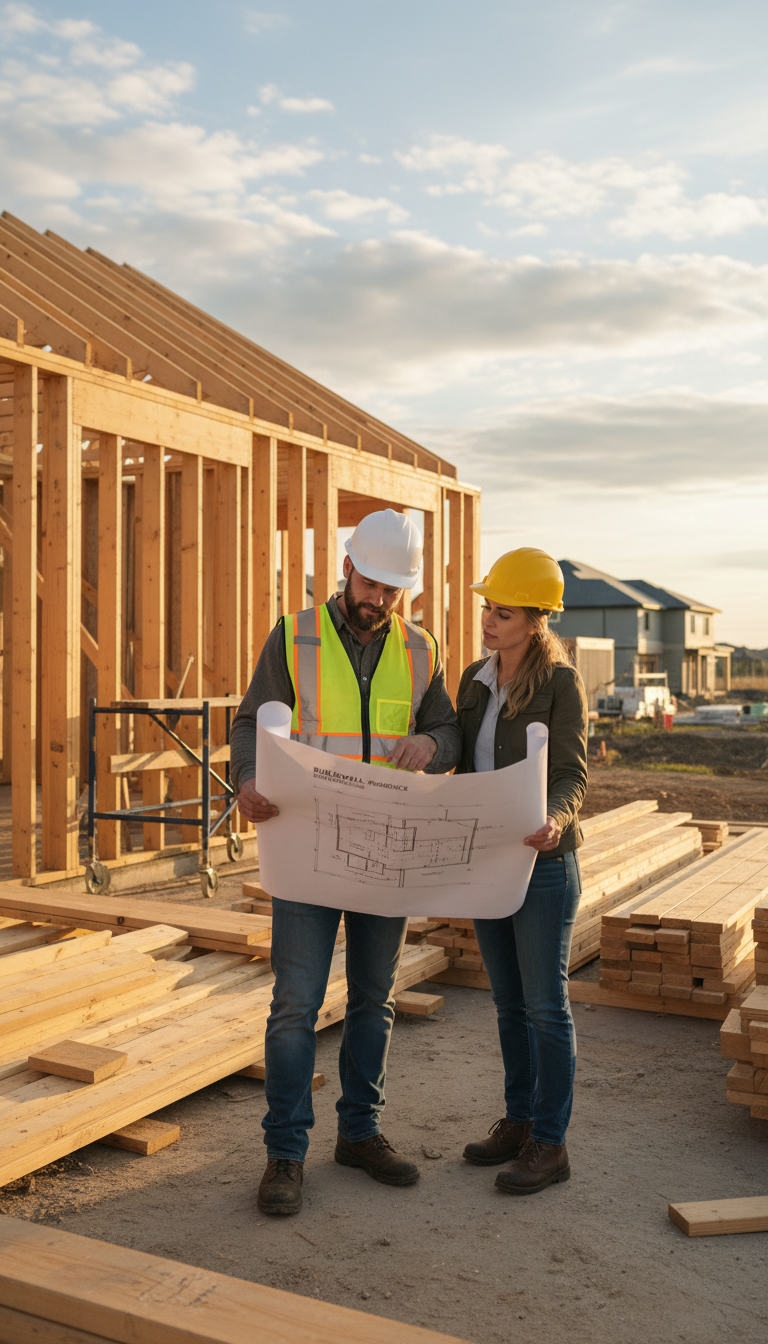
The primary reason homeowners choose a turnkey project over a shell build is the continuity of management. In a "concept to completion" model, your builder serves as the single point of contact from the moment the site is cleared until the keys are handed over. This eliminates the coordination gap that often stalls residential projects in Jamesport when homeowners try to manage specialized trades themselves.
When people ask what constitutes a custom-built home, the answer lies in the selection process. In a turnkey arrangement, you are not simply buying a pre-designed structure; you are directing the installation of every interior component. This includes choosing specific flooring materials, plumbing fixtures, cabinetry, and lighting packages that reflect your personal style. We facilitate these choices, ensuring that every element fits within the structural requirements and local building codes.
For those weighing a shell build vs turnkey custom home, the value of subcontractor management cannot be overstated. Finding reliable electricians, plumbers, and HVAC technicians in rural Missouri is often a significant hurdle for individuals. Through our professional residential building services, we leverage established relationships with vetted local trades. This ensures the workflow remains consistent, the inspections are passed on the first attempt, and the final product carries a comprehensive professional warranty. To see how our team handles these logistics, you can read more about Grindstone Utility Construction or contact our team to discuss your specific site plans.
Comparing the 5 Stages of Building a House
Visualizing the construction sequence helps clarify why the hand-off point is so critical for a project budget and timeline. Every residential project follows a standardized progression, often categorized into five distinct stages. The primary difference between a shell build vs turnkey custom home is simply where the contractor packs up their tools and leaves the site.
Stage | Construction Milestone | Responsibility in a Shell Build | Responsibility in a Turnkey Build |
|---|---|---|---|
1 | Site Prep and Foundation | Handled by Builder | Handled by Builder |
2 | Framing | Handled by Builder | Handled by Builder |
3 | Exterior Envelope (Shell) | Handled by Builder (Final Stage) | Handled by Builder |
4 | Rough-ins and Systems | Handled by Homeowner | Handled by Builder |
5 | Interior Finishes | Handled by Homeowner | Handled by Builder (Final Stage) |
Stage 1 involves site excavation, grading, and the installation of the concrete foundation or basement. Stage 2 focuses on the structural framing of floors, walls, and the roof system. The transition to Stage 3, the Exterior Envelope, is where the house becomes "dried-in" with the installation of roofing, siding, windows, and doors. For clients utilizing our professional residential building services for a shell project, this is the point where our heavy equipment and specialized framing crews conclude their work.
In a shell build, the homeowner takes full control once the exterior is sealed. This means they are responsible for Stage 4, which includes all electrical, plumbing, and HVAC rough-ins, as well as insulation. They must also manage Stage 5, the interior finishes such as drywall, flooring, and cabinetry. Conversely, a turnkey project ensures that the team at Grindstone Utility Construction manages the transition from the structural shell into these technical and aesthetic phases. Learning more about Grindstone Utility Construction can help you decide which stage of completion best suits your skill level. If you are uncertain about managing local trades for the final two stages, you can contact our team to discuss the logistics of a full turnkey delivery.
Cost Realities: Is a Shell Build Truly Cheaper for Missouri Homeowners?
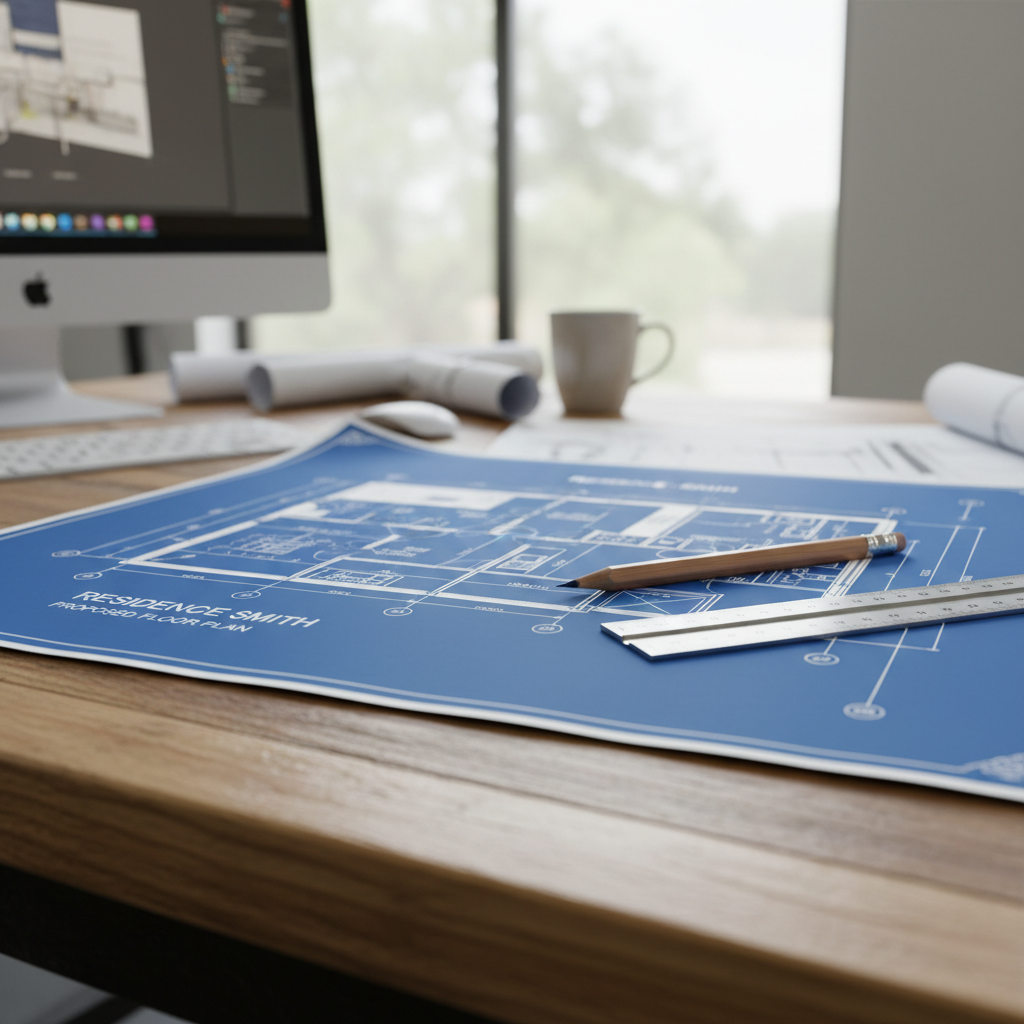
Analyzing the shell build vs turnkey custom home price requires looking beyond the initial contract. In the Jamesport region, the upfront cost for a structural shell typically ranges from 25 to 35 percent less than a full turnkey delivery. This lower entry point often appeals to those calculating custom home building costs per square foot, as it allows for a larger structural footprint on a fixed budget. However, the price to finish the interior is rarely fixed; it fluctuates based on supply chain volatility and the availability of local trades.
A frequent question in rural Missouri is whether $200,000 is enough to build a house. For a shell build, that figure provides a substantial, high quality exterior envelope that is fully dried-in. The challenge lies in the remaining 65 to 75 percent of the work. If you do not have the specialized skills to perform the electrical, plumbing, and finish carpentry yourself, you must hire individual contractors. These trades often charge premium rates for small, standalone residential jobs compared to the volume pricing available through our professional residential building services.
Financing adds another layer of complexity to the budget. Traditional lenders often hesitate to provide construction loans for shell projects because the home is not immediately habitable. A turnkey project provides a clear path to an occupancy permit, which banks prefer when securing their collateral. If you are planning a build in the Daviess County area, understanding these financial barriers is vital. You can contact our team to discuss how specific project scopes affect financing, or learn more about Grindstone Utility Construction to see how we manage budget transparency from the initial site prep to the final walkthrough.
Pros and Cons: The Coordination Trap and Sweat Equity
Deciding between a shell build vs turnkey custom home involves more than just the bottom line; it requires an honest assessment of your available time and local network. Shell builds offer a platform for total customization. Homeowners who possess construction skills can build significant sweat equity, saving on labor costs by performing their own insulation, flooring, and trim work. This approach allows for a staggered timeline that can match your personal cash flow.
However, many homeowners fall into the coordination trap. In Jamesport and surrounding rural areas, finding reliable trades for small interior jobs is notoriously difficult. Professional subcontractors often prioritize larger contracts with established builders. If you manage a shell build yourself, you may face months of delays waiting for a plumber or electrician who can fit a single residential interior into their schedule. Without the leverage of a general contractor, you are also responsible for verifying that every specialized task meets local Daviess County codes.
Opting for a turnkey project through our professional residential building services eliminates this logistical burden. The primary advantages are speed and comprehensive warranty coverage. When a single firm manages the entire build, every component from the foundation to the final fixture is covered under a unified professional guarantee. For most families, the time saved and the professional finish of a turnkey home outweigh the theoretical savings of a shell. You can learn more about Grindstone Utility Construction to see how we streamline this process, or contact our team to evaluate which path fits your project goals.