The best time of year to build a house in Missouri is generally late summer or early autumn because it allows for foundation and framing work to be finished before winter freeze-thaw cycles. Starting during this window avoids the heavy precipitation of spring storms and the extreme humidity of mid-summer; this ensures the structure is enclosed before the first frost.
Planning a custom build in Missouri often feels like a gamble against the elements. You want a foundation that stands the test of time, but unpredictable rainfall and shifting clay soils can quickly turn a job site into an expensive, muddy liability. At Grindstone Utility Construction, we know that timing your groundbreaking is about more than just checking the forecast; it is a strategic decision that affects everything from utility installation to long term structural integrity. In this guide, we will analyze the seasonal cycles of the Show Me State to help you optimize your timeline. You will learn why fall is often the prime window for excavation, how to navigate the notorious spring mud season, and the technical realities of managing soil movement during a winter build. By understanding these environmental variables, you can ensure your project starts on solid ground.
Understanding the Missouri Climate and Construction Timeline
Missouri's climate is notoriously unpredictable. In the Jamesport and Mid-Missouri regions, we experience four distinct seasons that directly influence the logistics of new home construction. High humidity levels and variable precipitation mean that site conditions can change overnight, particularly affecting the heavy clay soils prevalent in our area. While our crews can technically work year-round, identifying the best time of year to build a house in Missouri requires a strategic look at how weather affects site accessibility and material performance.
The ideal start date is a balance between optimal concrete curing conditions and contractor availability. A standard custom home building process timeline typically spans 8 to 14 months. This duration means your groundbreaking date determines exactly which season you will be framing, roofing, or installing finishes. For instance, a spring start may lead to framing during the peak of summer humidity, while a fall start aims to have the home dried in before the harshest winter temperatures arrive. Our goal at Grindstone Utility Construction is to provide professional residential building services that account for these variables from day one. Proper planning ensures that the most sensitive phases, such as foundation work and exterior sealing, occur during stable weather windows. If you have questions about a specific plot of land, contact our team to discuss local site preparation and scheduling.
Spring Groundbreaking: Navigating the Missouri Mud Season
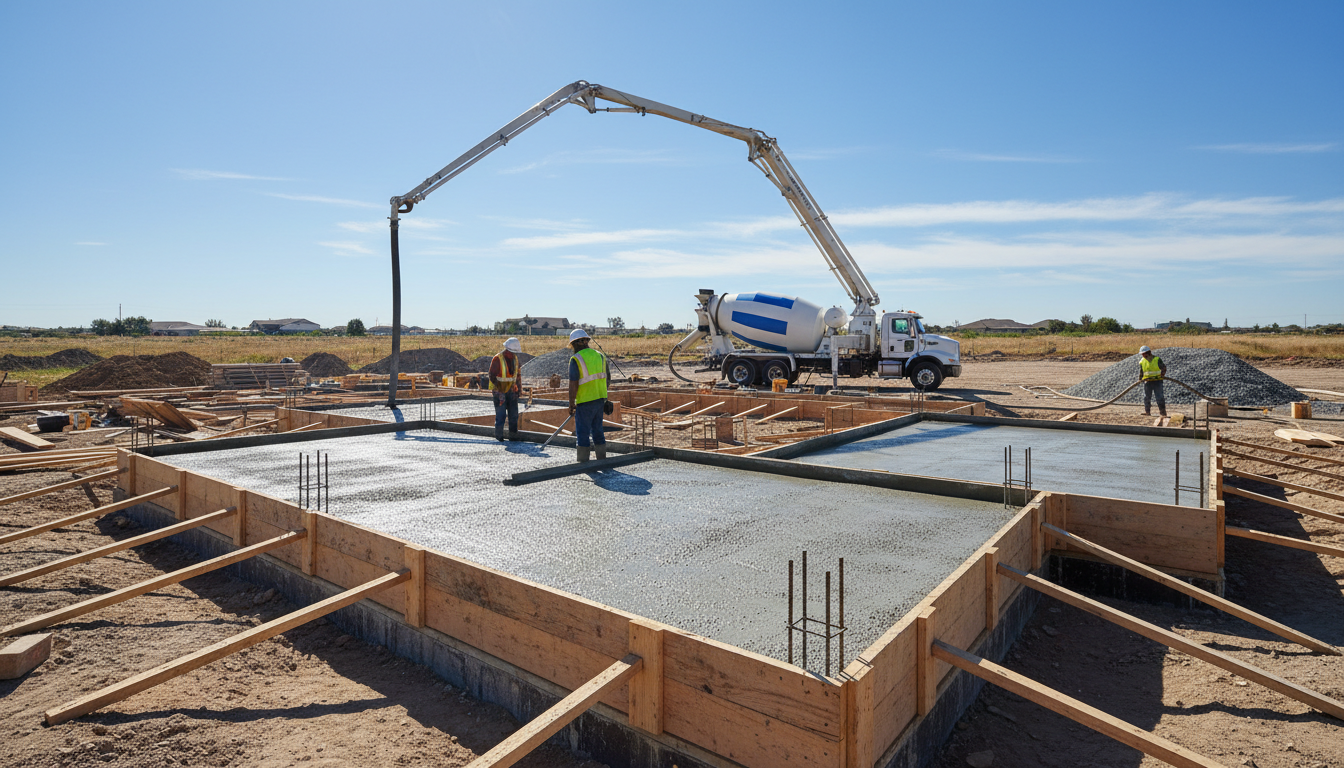
Starting a project in March or April is a calculated move for homeowners who want to be moved in before the year-end holidays. This early start aligns well with a standard custom home building process timeline, allowing for the majority of exterior work to finish before the heat of late summer. However, this period is often referred to as mud season across Mid-Missouri. The combination of thawing ground and heavy spring rains creates unique challenges for site preparation and excavation.
Missouri’s heavy clay soils are particularly problematic during a wet spring. These soils are expansive, meaning they swell significantly when saturated. For heavy machinery like excavators and concrete mixers, a rain-soaked site becomes nearly impassable. Beyond simple logistics, wet conditions can impact the structural integrity of your foundation. If excavation trenches fill with water, the soil at the bottom can lose its compaction, requiring additional remediation before footings can be poured.
Success during a spring groundbreaking depends heavily on proactive water management. We focus on establishing proper site drainage immediately, often using temporary swales or gravel staging areas to keep the project moving despite the weather. While many consider spring the best time of year to build a house in Missouri to avoid the summer heat, it requires a contractor who understands how to manage saturated soil. If you are looking at a spring start, contact our team to evaluate your lot’s drainage needs and ensure a stable foundation from the start.
Summer Construction: Beating the Heat and Humidity
As the spring rains subside, summer offers the advantage of longer daylight hours and more predictable, drier ground. However, the intense heat of a Missouri July brings its own set of technical hurdles. One of the most common questions we hear is whether you should pour concrete in 90 degree weather. While it is possible, extreme heat presents a significant risk to the foundation. When temperatures exceed 80 or 90 degrees, the water in the concrete mix evaporates too quickly. This rapid dehydration prevents the chemical curing process from completing properly, often resulting in surface scaling or deep structural cracking. To mitigate this, we monitor the forecast closely and may schedule pours for the early morning hours when temperatures are closer to the ideal 50 to 60 degree range.
The humidity inherent to Jamesport summers also dictates how we handle wood framing. High moisture content in the air causes lumber to swell. If a home is framed during a period of peak humidity and then immediately sealed and air-conditioned, the wood will shrink as it dries, potentially leading to drywall cracks or floor squeaks later on. We prioritize proper airflow during this stage to stabilize the materials before closing in the walls.
Starting your project in early summer is a strategic choice within a custom home building process timeline. This timing provides a reliable window of dry weather to get the structure dried in, with the roof and windows installed, before the unpredictable storms of late autumn arrive. For projects requiring specialized heat management and moisture control, contact our team to learn more about our professional residential building services. Finding the best time of year to build a house in Missouri involves managing these environmental stressors to ensure a durable finished product.
Fall: The Strategic Sweet Spot for Missouri Custom Homes
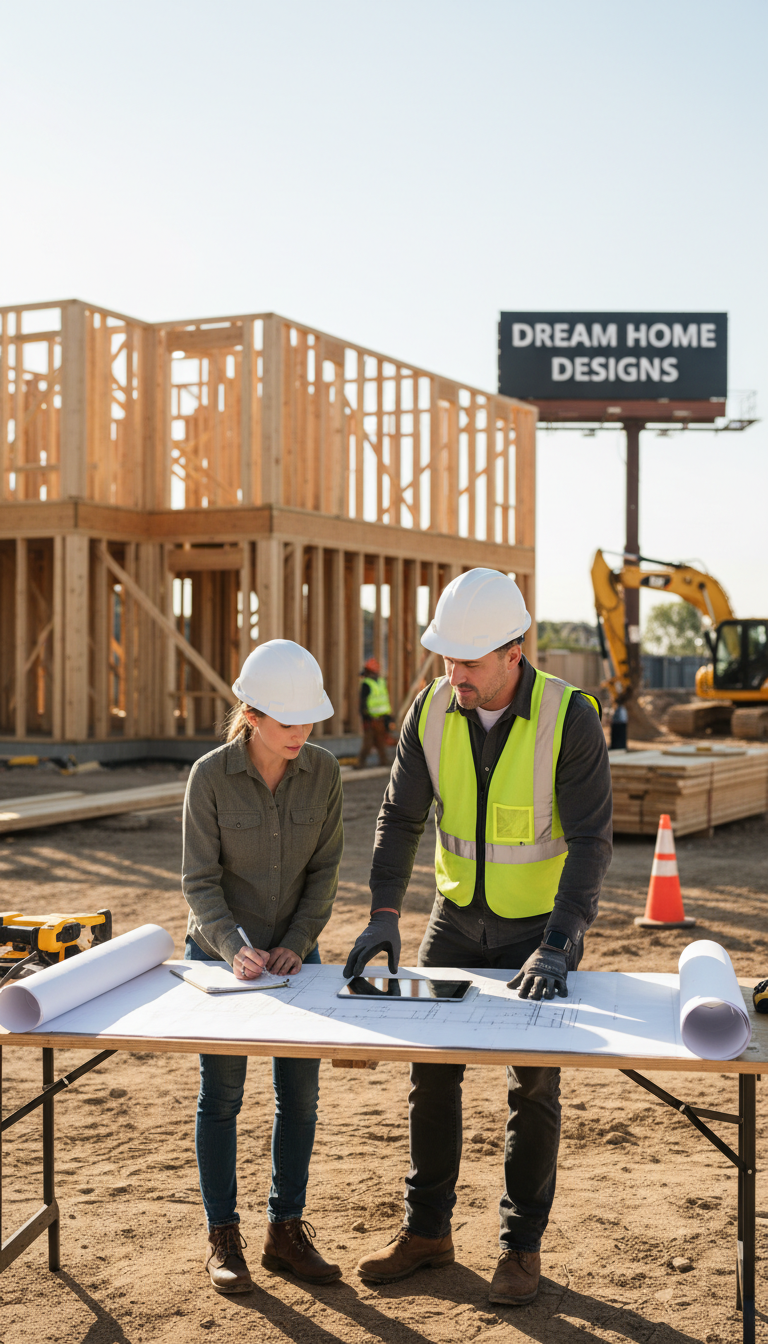
September and October represent a strategic window for breaking ground in Jamesport and the surrounding region. After the intense evaporation of summer, Missouri’s heavy clay soils reach a state of stability that is difficult to find in the saturated spring months. This dry ground simplifies site access for heavy equipment and ensures that excavation remains precise without the risk of sidewall collapse caused by excess moisture.
From a technical standpoint, the autumn climate provides the ideal environment for foundation work. Concrete cures most effectively when ambient temperatures remain between 50 and 60 degrees Fahrenheit. These moderate temperatures prevent the rapid water loss seen in summer and the hydration stalls common in winter. By pouring during this period, you maximize the structural integrity of the footings and basement walls, creating a foundation that is less prone to the shrinkage cracks often associated with temperature extremes.
Scheduling a project during this timeframe also aligns perfectly with a custom home building process timeline. The goal is to reach the dried in stage, where the roof, windows, and exterior doors are installed, before the arrival of the first significant snowfall or deep freeze in late December. Once the exterior shell is secure, our crews can transition to indoor tasks. This allows for the installation of plumbing, electrical systems, and high end finishes within a climate controlled environment. By using the home’s own heating system or temporary heaters, we ensure that interior materials like drywall and hardwood flooring are installed at consistent humidity levels.
Choosing autumn as the best time of year to build a house in Missouri minimizes weather related downtime. It allows the most labor intensive exterior phases to coincide with the year's most predictable weather. For homeowners looking to optimize their construction schedule, contact our team to discuss how our professional residential building services can help you hit this critical fall window.
Building a House in the Winter: Risks and Potential Rewards
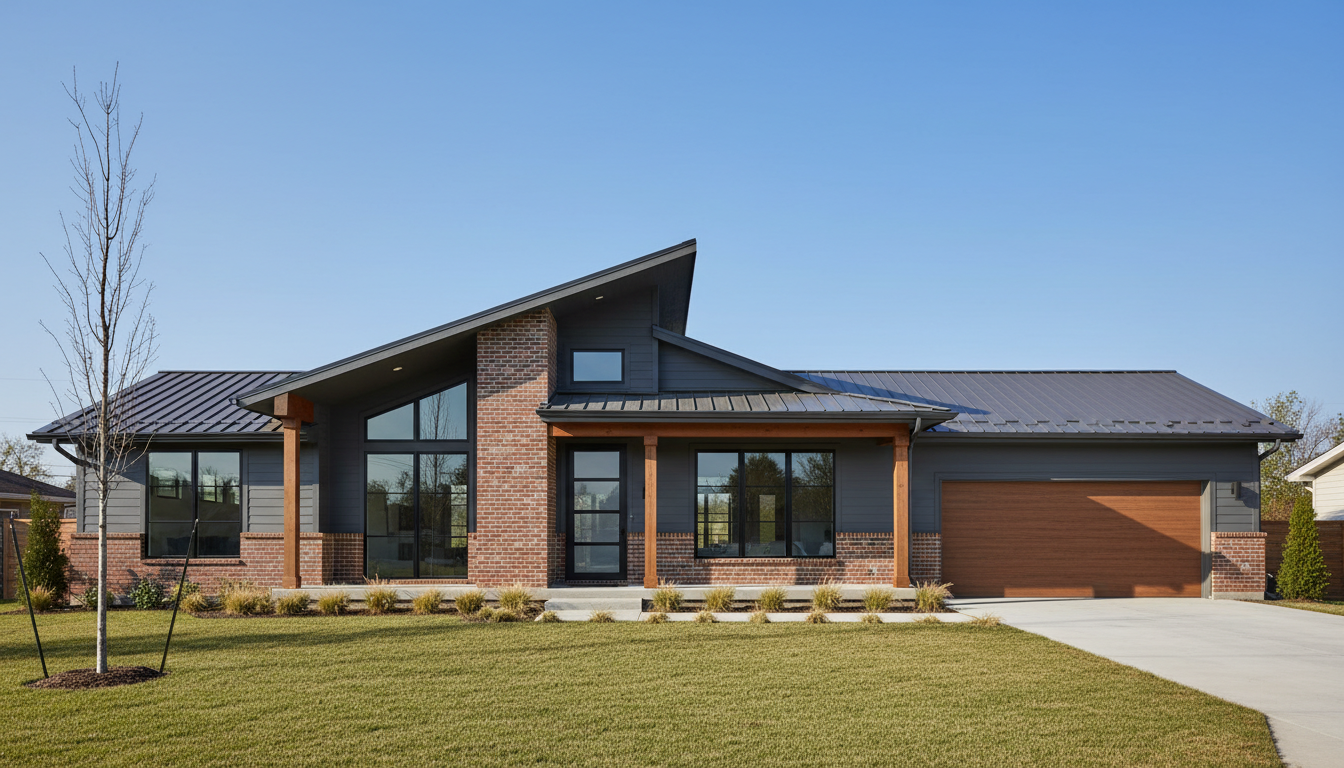
Homeowners often ask if it is cheaper to build a house in the winter. While you might see a slight dip in lumber prices or find more flexibility in a subcontractor’s custom home building process timeline, winter construction in Mid-Missouri is rarely a budget saving shortcut. The logistical challenges of cold weather building introduce specialized expenses that typically offset any seasonal discounts on materials or labor.
In our region, winter temperatures frequently drop below the 40 degree threshold critical for concrete work. When ambient air stays below this point, the chemical reaction required for concrete to gain strength slows down significantly. If the water in the mix freezes before the slab reaches 500 psi of compressive strength, the structural integrity is permanently compromised. To combat this, we utilize calcium chloride or non-chloride accelerators to speed up the set time, alongside heavy duty heated blankets to maintain internal temperatures during the curing process. These additives and thermal management tools are essential for a quality result, but they do increase the daily operational cost.
Excavating frozen ground presents another hurdle. If the frost line has penetrated deeply into the clay, crews may need to utilize ground heaters or specialized machinery to break through, which adds time to the schedule. Furthermore, the Missouri freeze thaw cycle poses a risk to foundations that are left exposed to the elements. Soil that freezes and expands against a newly poured wall can cause displacement or cracking before the house is even framed. While it may not be the most convenient best time of year to build a house in Missouri, winter projects are entirely feasible with professional oversight. Our team at Grindstone Utility Construction provides the professional residential building services necessary to manage these environmental risks effectively. If you are considering a winter groundbreaking, contact our team to discuss the specific precautions required for your building site.
Technical Considerations: Soil Movement and Foundation Integrity
Jamesport and Mid-Missouri are dominated by high-plasticity clay soils that behave dynamically throughout the year. These expansive soils swell when saturated and contract during dry spells, exerting constant pressure on any residential structure. The long-term integrity of your home relies on how the foundation is established within this shifting environment.
The freeze-thaw cycle is particularly aggressive in our region. As moisture trapped in the clay freezes, it expands with significant force, creating lateral pressure against foundation walls. If the concrete is not allowed to cure in optimal conditions, it may develop structural vulnerabilities that these seasonal cycles will eventually exploit. Pours performed in moderate, stable temperatures, ideally between 50 and 60 degrees Fahrenheit, achieve a more uniform density and higher compressive strength than those subjected to the rapid evaporation of a 90-degree summer day or the hydration stalls of a Missouri winter.
Avoiding temperature extremes during the initial pour ensures the chemical bond within the concrete reaches its full potential. This stability is the primary factor in resisting future wall bowing, floor heaving, or uneven settling. While modern additives allow for construction in various conditions, aligning your custom home building process timeline with a stable weather window is the most effective way to ensure the best time of year to build a house in Missouri for foundation health. A foundation poured under ideal circumstances provides a durable anchor that protects your investment for decades. To discuss the specific soil requirements for your lot and our professional residential building services, contact our team for an expert site evaluation.