
You typically need between $180 and $280 per square foot for basic construction, though the total calculation for how much money do you need to build a custom home must also include land costs, permit fees, and architect services. Most homeowners should prepare for a 20 to 30 percent down payment on a construction loan and maintain a contingency fund for unexpected overruns.
Most prospective homeowners focus solely on the final price tag of a custom build, yet they often overlook the liquid capital required to bridge the gap between a dream and a finished foundation. This financial ambiguity can lead to stalled projects and unnecessary stress before the first utility line is even laid. At Grindstone Utility Construction, we understand that a successful build relies on a solid infrastructure; this begins with fiscal precision. Understanding the balance between your savings and your loan capacity is essential for maintaining project momentum. In this guide, we will explore the reality of construction down payments and the specific soft costs associated with Missouri builds. From evaluating if a four hundred thousand dollar budget is viable in Jamesport to explaining the necessity of a ten percent contingency fund, we provide the practical expertise you need to finance your custom residential project with confidence.
Understanding the Liquid Cash vs. Loan Balance Balance
Most prospective homeowners start their journey by asking how much money do you need to build a custom home, usually focusing on the final loan amount approved by their lender. While the total mortgage balance covers the bulk of the construction, it rarely accounts for the immediate liquid capital required to initiate the project. Before a single excavator arrives at your site in Jamesport, you must account for a significant launch fund of cash on hand to navigate the pre-construction phase.
It is helpful to categorize your budget into hard costs and soft costs. Hard costs are the physical elements of the structure; these include the foundation, framing, and finish materials. These are typically covered by the loan draws once construction begins. Soft costs, however, are the non-tangible expenses necessary to get the project off the ground. These include architectural design fees, property surveys, and building permits required by Daviess County. Many lenders will not release funds for these items until the loan officially closes, meaning you must pay for them out of pocket during the planning stage.
At Grindstone Utility Construction, we prioritize transparency regarding these early requirements. Providing professional residential building services means helping clients understand that initial expenses, like soil testing and utility site assessments, must be settled to secure a firm bid. If you are curious about Grindstone Utility Construction and our process, you will find that we emphasize these preparatory steps to ensure a smooth transition from design to groundbreaking. Before you sign a contract, you should have enough liquid savings to cover these preliminary fees and any initial builder deposits required to lock in your project on the schedule. If you need assistance calculating these initial soft costs, you can contact our team for a quote to get a clearer picture of your specific site needs.
The Down Payment Reality: How Much to Save for a Construction Loan
Securing the financing for your project requires a clear understanding of the down payment requirements for construction-to-permanent loans. Most lenders in Missouri expect a 20 percent down payment to secure the most favorable interest rates and to avoid the added cost of private mortgage insurance (PMI). However, specialized programs exist that allow for as little as 5 percent down. While these lower entry points make the initial step easier, they often result in higher monthly payments over the life of the loan because of those insurance premiums.
For many homeowners in Jamesport and surrounding Daviess County, land equity serves as a powerful tool in meeting these requirements. If you already own your lot, the appraised value of that land can often be applied toward your down payment. For example, if your land is valued at $50,000 and you own it free and clear, that $50,000 counts as equity in the total project cost. This can drastically reduce the amount of liquid cash you need to bring to the closing table, sometimes even covering the entire down payment requirement if the land value is high enough relative to the build cost.
When determining how much money do you need to build a custom home, you may have heard of the 3, 3, 3 rule: buying a home three times your annual income, having a 20 percent down payment, and maintaining three months of emergency reserves. While this is a solid baseline for purchasing existing real estate, custom construction often demands more conservative planning. We suggest adjusting the reserve portion to at least six months. The complexity of professional residential building services and the potential for site-specific variables mean that having a larger cash cushion is essential for financial peace of mind.
Understanding these ratios is a core part of what we discuss when clients inquire about Grindstone Utility Construction. Because custom builds involve more moving parts than a standard home purchase, your lender will scrutinize your debt-to-income ratio and cash reserves more closely. If you are unsure how your current land value or savings translate into a construction budget, you can contact our team for a quote and a preliminary discussion on how to align your financing with your project goals.
Hidden Soft Costs and Pre-Construction Expenses in Missouri
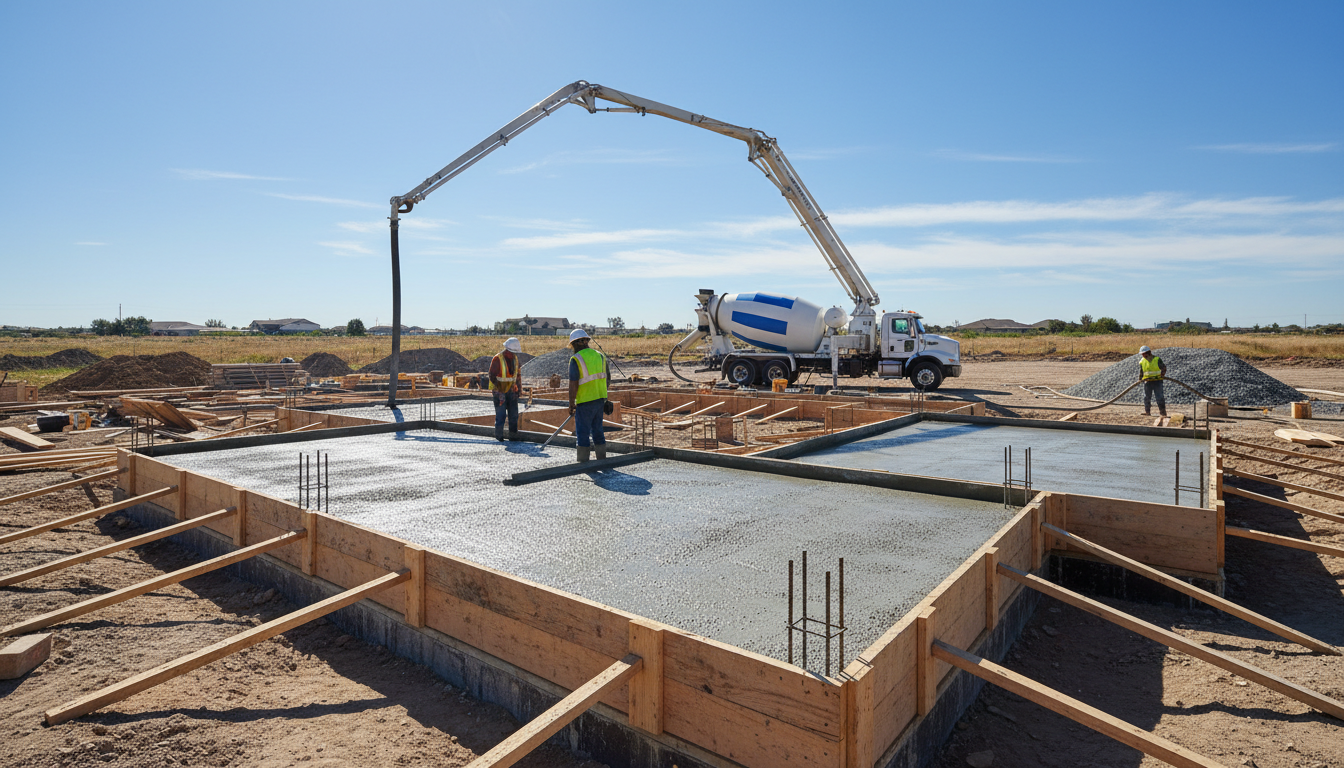
Understanding the cash requirements for down payments is only half the battle; the next hurdle is the stack of invoices that arrive before the foundation is poured. These soft costs represent a significant portion of how much money do you need to build a custom home, and they are rarely fully financed by the initial loan draws.
Your first major expense involves architectural plans. In the Missouri market, custom blueprints typically range from $5,000 to $20,000. These are not merely aesthetic drawings; they are technical documents required for zoning approval and structural integrity. Following the design phase, you must account for building permits in Daviess County. These fees ensure your project complies with local codes and covers the cost of site inspections throughout the build process.
As a company rooted in utility infrastructure, we frequently see homeowners overlook the complexities of site preparation. Connecting your home to essential services in rural Missouri involves more than just a simple plug-in. Depending on your lot's location, you may face the following expenses:
Utility Type | Description | Estimated Range |
|---|---|---|
Electrical Grid | Line extensions, transformer placement, and meter set | $2,500 - $10,000+ |
Septic Systems | Soil morphology tests and professional tank/lateral installation | $5,000 - $15,000 |
Water Service | Rural water district tap fees or private well drilling | $3,000 - $12,000 |
Sewer Hookup | Connection fees for municipal or district sewer lines | $1,500 - $5,000 |
These infrastructure requirements are central to our professional residential building services and must be handled with precision to avoid future failures. When you learn more about Grindstone Utility Construction, you will see that we specialize in navigating these rural site challenges. Because every lot in Jamesport has unique topographical and utility access hurdles, we recommend you contact our team for a quote to get a site-specific breakdown of these pre-construction costs.
Is 400,000 Dollars Enough to Build a House in Jamesport?
A budget of $400,000 is a common benchmark for families in Jamesport. In the current Missouri market, this amount is generally sufficient to construct a high-quality, mid-sized residence. When determining how much money do you need to build a custom home, you should expect local construction costs to range between $180 and $280 per square foot.
Square Footage | Estimated Cost Range ($180 - $280/sq ft) | Budget Fit for $400,000 |
|---|---|---|
1,500 sq ft | $270,000 - $420,000 | Likely (High-end finishes possible) |
2,000 sq ft | $360,000 - $560,000 | Possible (Mid-range finishes) |
2,500 sq ft | $450,000 - $700,000 | Unlikely (Exceeds budget) |
3,000 sq ft | $540,000 - $840,000 | No (Significant gap) |
At these rates, a $400,000 investment typically covers a 1,500 to 2,000 square foot home featuring mid-range finishes such as durable LVP flooring, standard granite countertops, and energy-efficient systems. Scaling up to a 2,500 or 3,000 square foot layout requires a significantly larger capital injection, often pushing the total well beyond the half-million dollar mark. Our professional residential building services focus on maximizing your investment through efficient site management and realistic planning. The team about Grindstone Utility Construction specializes in navigating these local cost variables to prevent budget overruns. To see how these figures apply to your specific architectural plans, contact our team for a quote to get a realistic estimate for your project.
The Essential 10 Percent Contingency Fund
Even with a fixed-price contract, a contingency fund of 10 to 15 percent is a non-negotiable component of how much money do you need to build a custom home. This capital acts as a shock absorber for budget busters that occur once the project is in motion. In Northwest Missouri, we often encounter unexpected soil conditions, such as hitting subsurface rock or discovering poor drainage areas that require additional compaction or drainage tiles before the foundation is poured.
While some lenders include a small contingency line in the loan, you should maintain this fund in liquid cash. Banks are notoriously restrictive about how they release contingency draws; they often require extensive documentation and reappraisals for even minor changes. Having cash on hand allows you to address lumber price fluctuations or mid-build design changes without stalling the production schedule. Our professional residential building services emphasize rigorous planning, but external market shifts are outside any builder's control. When you learn more about Grindstone Utility Construction, you will see we advocate for this financial cushion to ensure your project reaches completion without unnecessary stress. If you are calculating your total reserves, you can contact our team for a quote and a breakdown of typical site variables that may impact your specific lot.
Financing Options for Custom Residential Construction
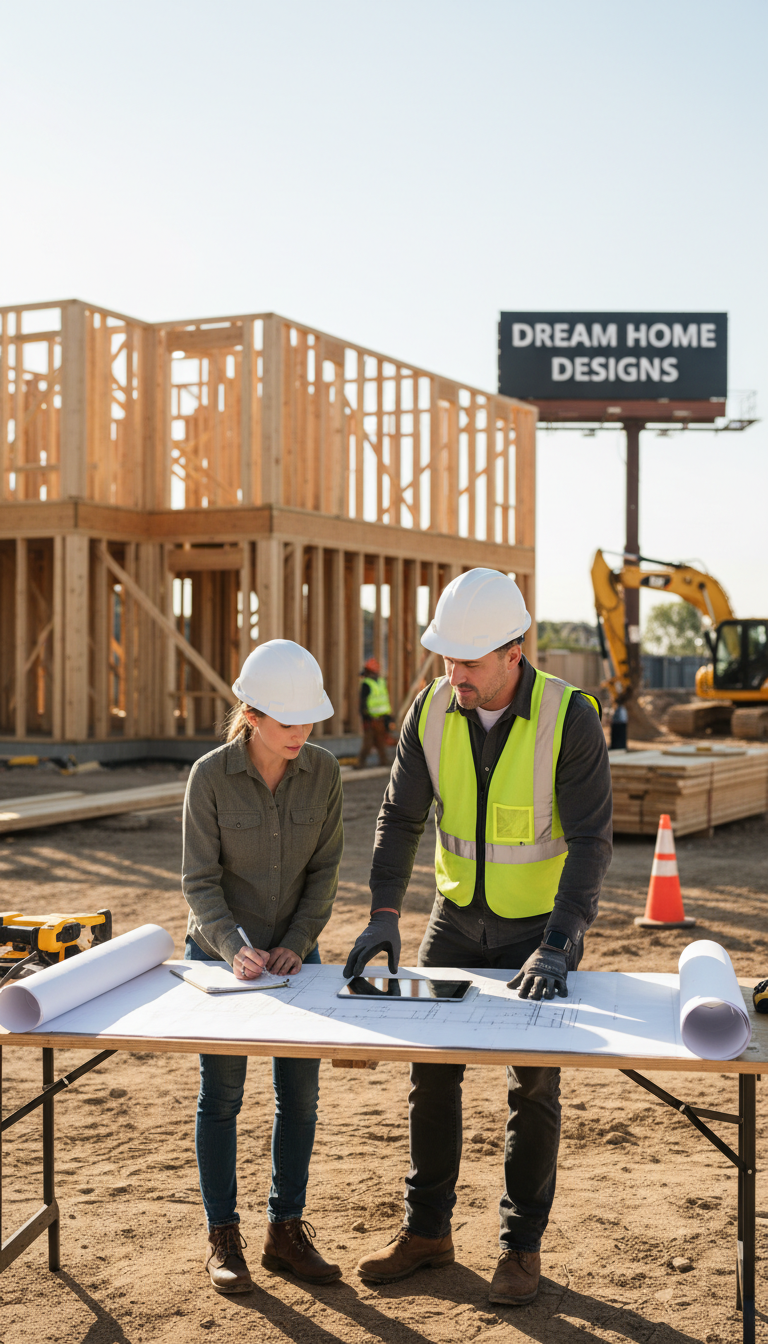
Once you have established your contingency fund, the next step is selecting the right loan structure to manage the flow of funds. This decision fundamentally impacts how much money do you need to build a custom home because it dictates your closing costs and interest obligations. Most homeowners in Missouri choose a construction-to-permanent loan, often called a one-time close. This option simplifies the process by combining the construction financing and the long-term mortgage into a single package, requiring only one set of closing costs and locking in your interest rate before the first shovel hits the dirt. Alternatively, a two-close loan involves separate loans for the build phase and the final mortgage, which may offer more flexibility but results in higher administrative fees.
Regardless of the loan type, the bank does not release the entire budget at once. Instead, funds are distributed through a draw schedule. As a provider of professional residential building services, Grindstone Utility Construction operates on these performance-based milestones. Before each payment is issued, the lender typically sends an inspector to the site to verify that the work has been completed to specification.
Build Phase | Construction Milestone | Typical Draw Percentage |
|---|---|---|
Phase 1 | Foundation, Site Prep, and Underground Utilities | 15% - 20% |
Phase 2 | Framing, Sheathing, and Roof Installation | 20% - 25% |
Phase 3 | Plumbing, HVAC, and Electrical Rough-ins | 15% - 20% |
Phase 4 | Drywall, Interior Trim, and Cabinetry | 15% - 20% |
Final | Flooring, Fixtures, and Certificate of Occupancy | Remaining Balance |
This phased approach protects both the homeowner and the lender, ensuring that the money moves from the bank to the project site only as tangible progress is made. If you want to learn more about Grindstone Utility Construction and how we coordinate with local lenders in Daviess County, you can contact our team for a quote and a detailed walkthrough of our standard billing cycles.
Common Questions About Building and Financing a Custom Home
Prospective owners often ask about the immediate financial impact during the build phase. For a $200,000 construction loan at a 7% interest rate, your monthly interest-only payment would be approximately $1,166 once the full amount is drawn. Since payments are calculated only on the funds currently disbursed through the draw schedule, your initial monthly costs will be significantly lower, increasing gradually as the project reaches each milestone.
Homeowners frequently inquire about saving money through sweat equity. While performing your own painting or landscaping can shave 5% to 10% off the total, tackling structural or utility work often leads to expensive corrections that void warranties. Professional residential building services ensure that critical systems, like septic and electrical connections, meet Daviess County codes the first time. The team at Grindstone Utility Construction focuses on precision to avoid the rework costs common in DIY projects.
To lower how much money do you need to build a custom home, focus on smart design rather than cutting corners on material quality. A simple rectangular footprint reduces foundation and roofing costs significantly compared to complex angles. Choosing standard window sizes and grouping plumbing fixtures can also save thousands in labor and materials. If you want to discuss specific value engineering strategies, you can contact our team for a quote to review your plans. Learning more about Grindstone Utility Construction will help you understand how our regional expertise translates into efficient, high-quality home builds.
Financing your custom home project is a significant undertaking that requires careful planning and a clear understanding of your budget. By securing your savings and exploring the right loan options, you can move forward with confidence. If you want expert help ensuring your site utilities and infrastructure are handled correctly, our team is ready to assist. You can learn more about our experience and values to see how we help homeowners lay a solid foundation for their future build.